Climate Advocacy and Research
Under our climate programs we use evidence-based research, data and analytics, field experiments, case studies, and campaign lessons learned to help climate advocates in every part of the Pakistan run smarter public engagement campaigns.
Our Programs
Indigenous Climate Advocacy Lab
ICAL works on connecting and supporting Indigenous communities to reinforce our place as leaders driving climate change solutions for today and tomorrow. We model our work and organizational structure on systems of free, prior and informed consent and self-determination. By providing communities with knowledge and resources, we can inspire a new generation of Indigenous climate leaders building solutions centered around our inherent rights and cultures.
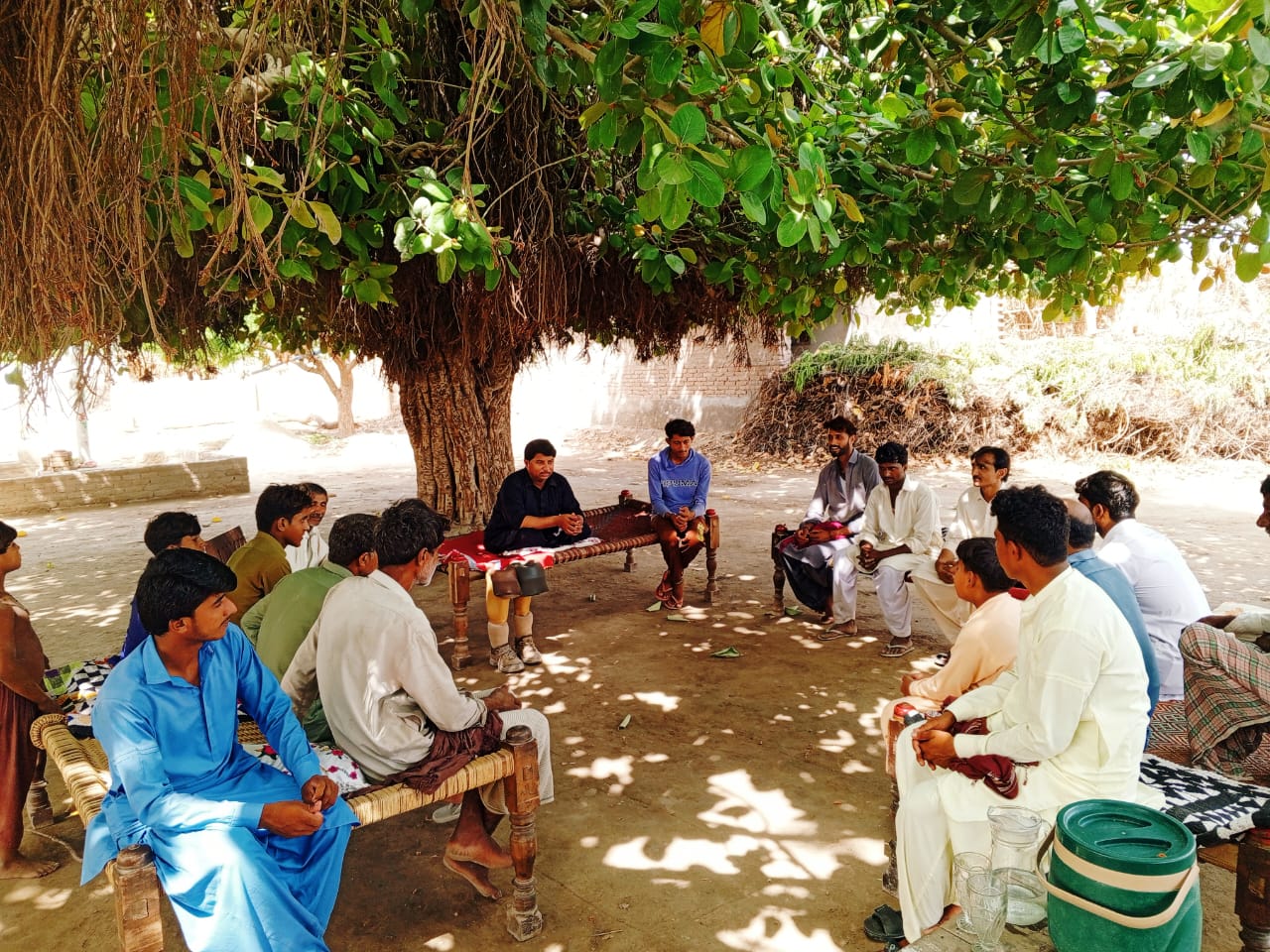
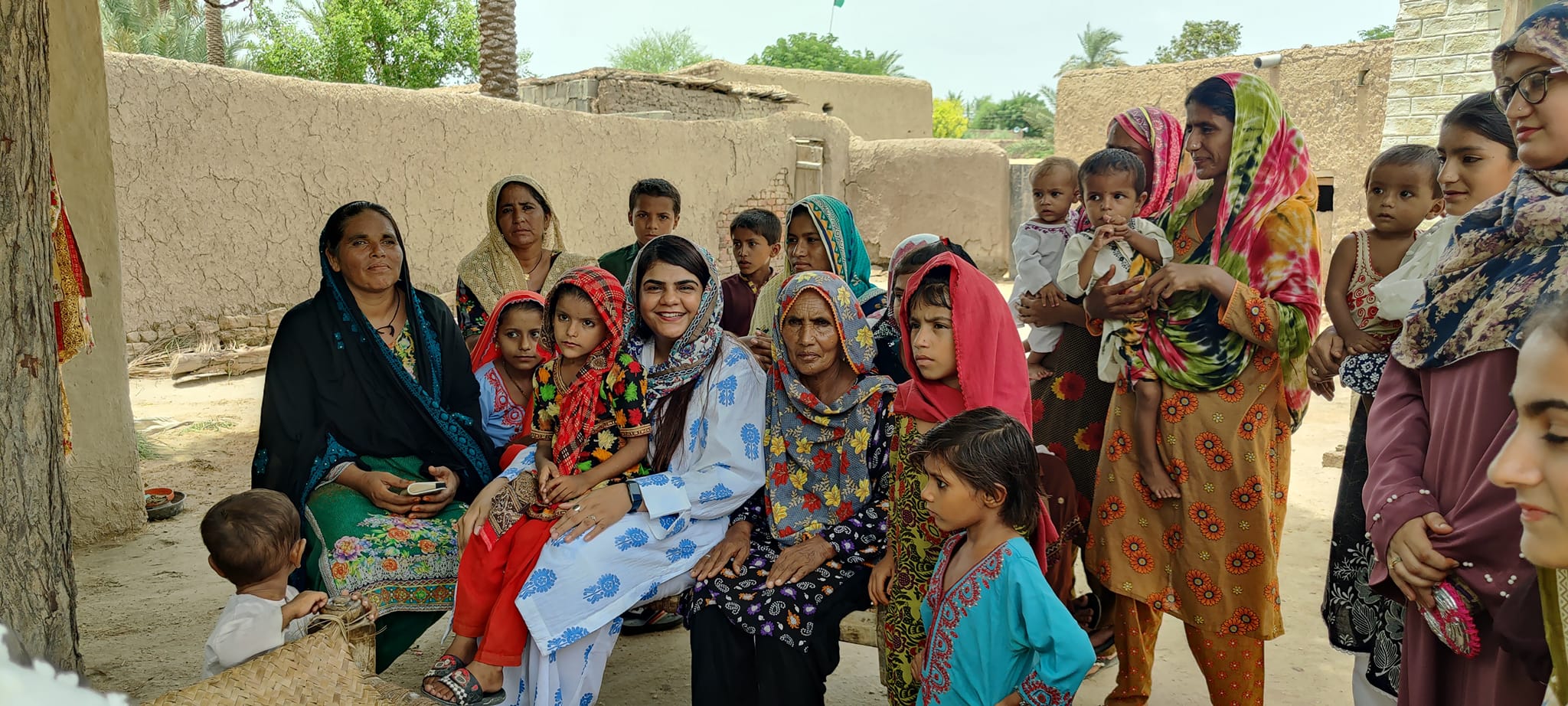
Imagine a group of community members gathered under the cool shade of a large tree, sitting on woven charpoys, deeply engaged in a meaningful conversation. This image perfectly captures the spirit of Indigenous Climate Advocacy — people coming together in their natural environment, discussing and sharing knowledge to tackle challenges like climate change.
As a facilitator for this program, my role would be to guide these discussions, ensuring that every voice is heard and respected, just like the tree providing shelter and comfort to everyone beneath it. This gathering represents the heart of community-led action, where solutions are built through shared understanding and lived experience, rooted in culture and tradition.
Our goal here is to equip communities with the tools and resources they need, not just to adapt to environmental changes but to lead the way in creating sustainable solutions. It’s about recognizing the deep connection Indigenous peoples have with the land and empowering them to carry forward their knowledge as stewards of the environment.
Through these gatherings, we’re not just solving today’s problems — we’re building a path for future generations, honoring our rights, and staying true to our cultures. Together, we’re creating a future where Indigenous leaders drive the solutions for tomorrow’s climate challenges.
Climate Research
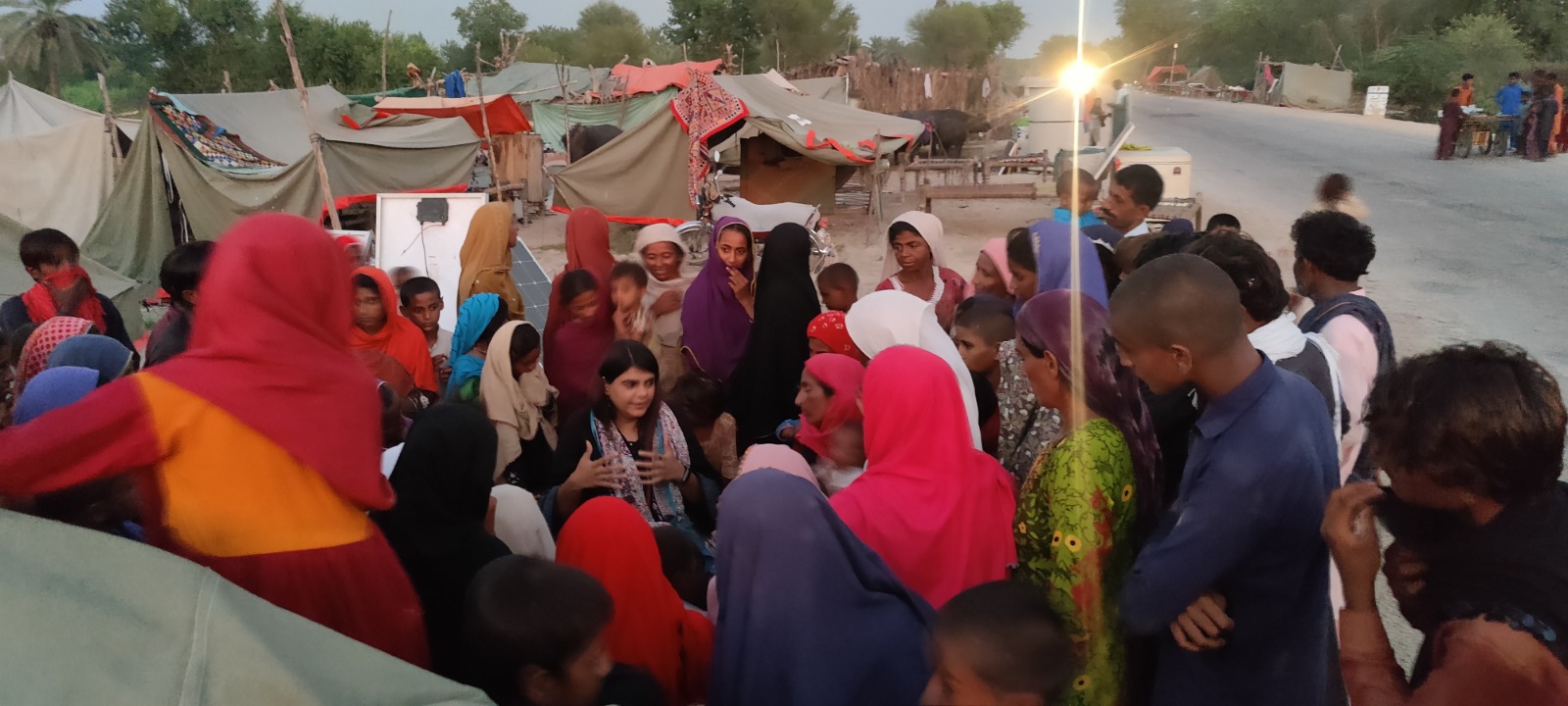
Floods in Pakistan are leading to a range of negative impacts on health and major disruptions to healthcare services. The lack of mental health and psychosocial support services (MHPSS) is a significant concern in rural areas of Pakistan in providing support to communities affected by floods. It is important for the government and mental health policymakers to work with academic coalitions and non-governmental organisations to replicate low-resource MHPSS models that will develop and advocate for effective, gender-sensitive mental healthcare throughout the country.
Parindey undertook two researched to explore the effect of floods and climate change on mental health and documenting indegionous practciing and local language content on climate change.
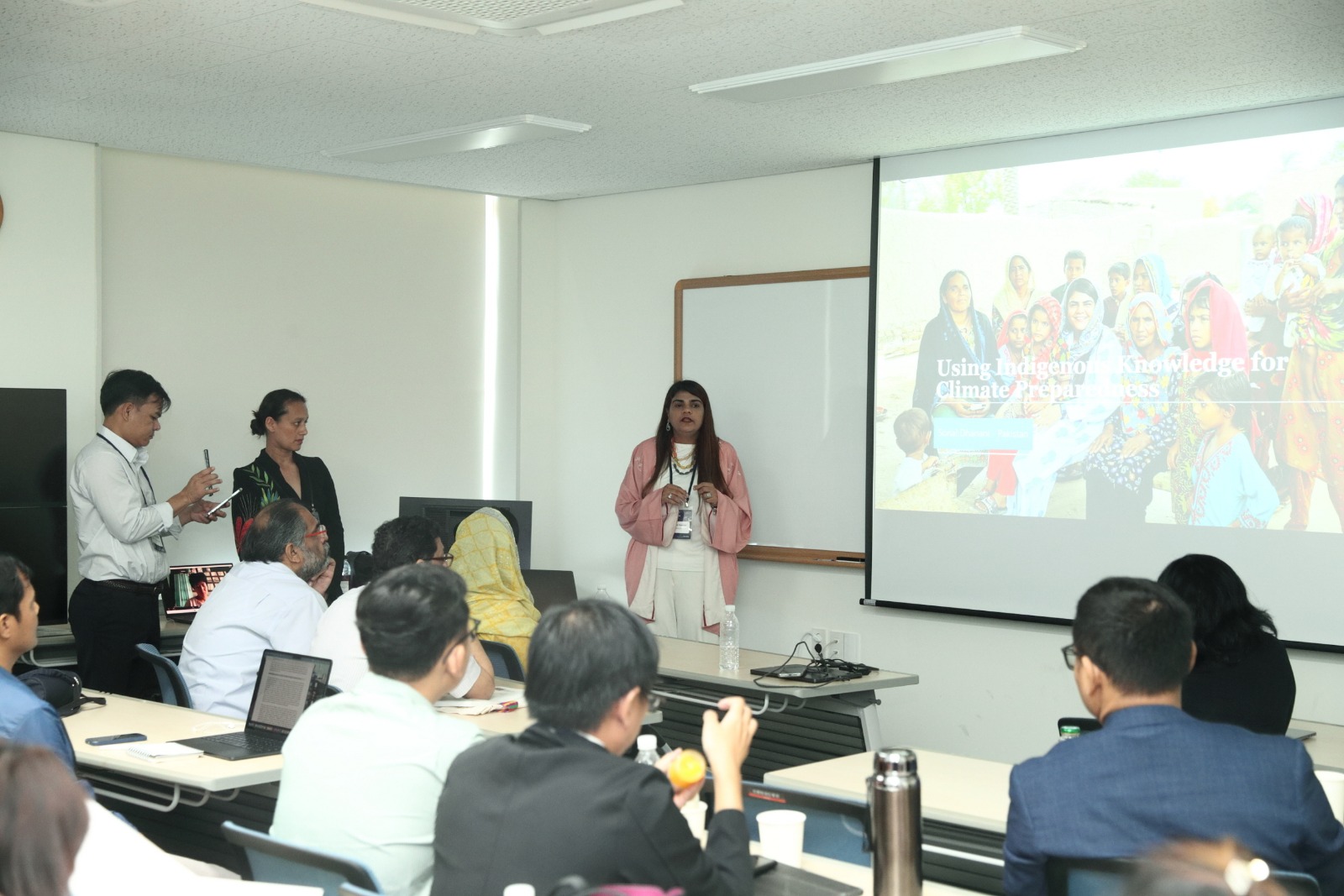
In this call to action, we urge mental health professionals and policymakers in Pakistan to align their efforts with established programmes that integrate MHPSS into disaster risk reduction strategies, as seen in low- and middle-income countries:
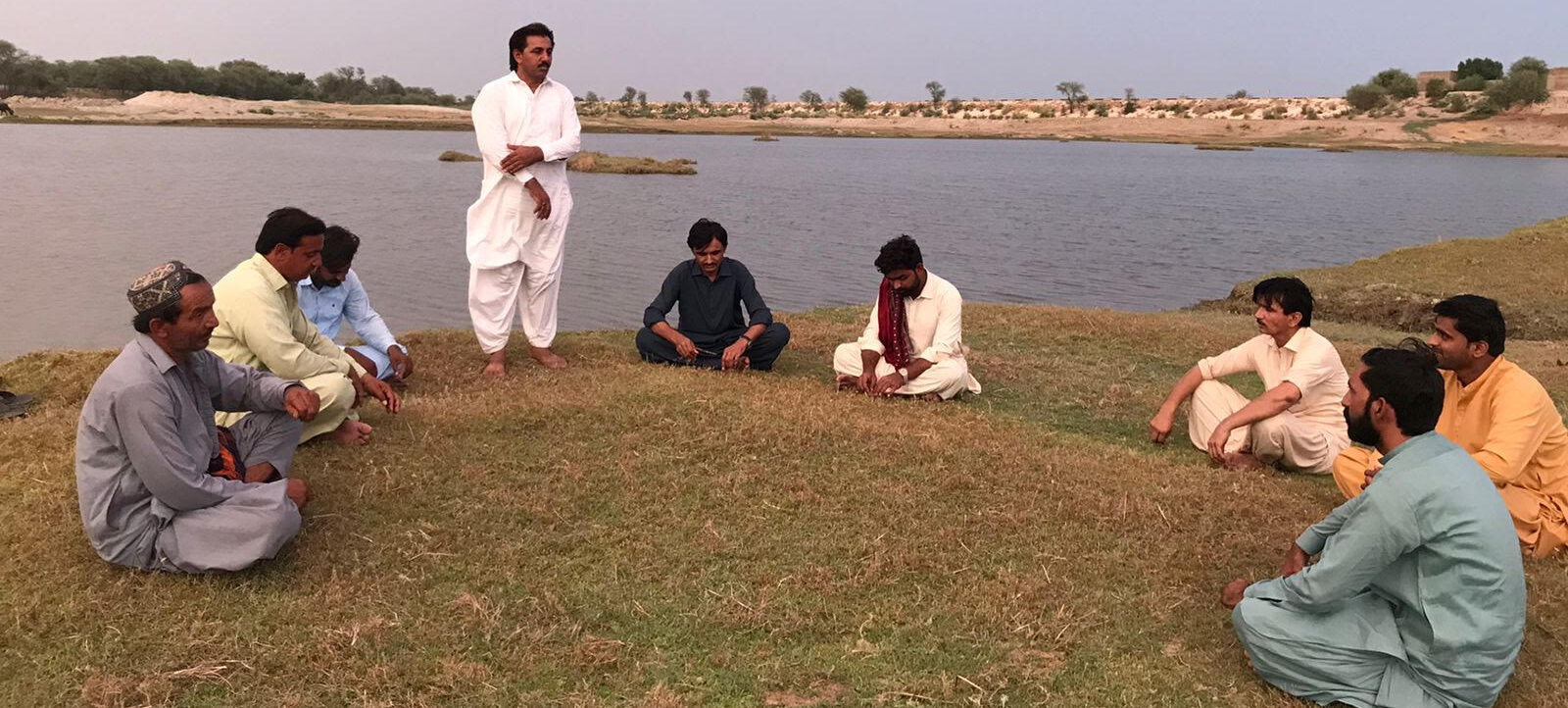
(a) initiate a multi-stakeholder dialogue on climate change and mental health by inviting national and international climate change advocates and experts to prioritize the provision of MHPSS with a gender responsive approach
(b) develop and integrate climate change modules within the training curriculum for mental health professionals working in current and future climate change catastrophes
(c) include telepsychiatry in disaster relief packages along with essential health services delivery.
support us
Together, we can help all people in Pakistan achieve their best possible mental health
Joining hands with us
past partners & collabs